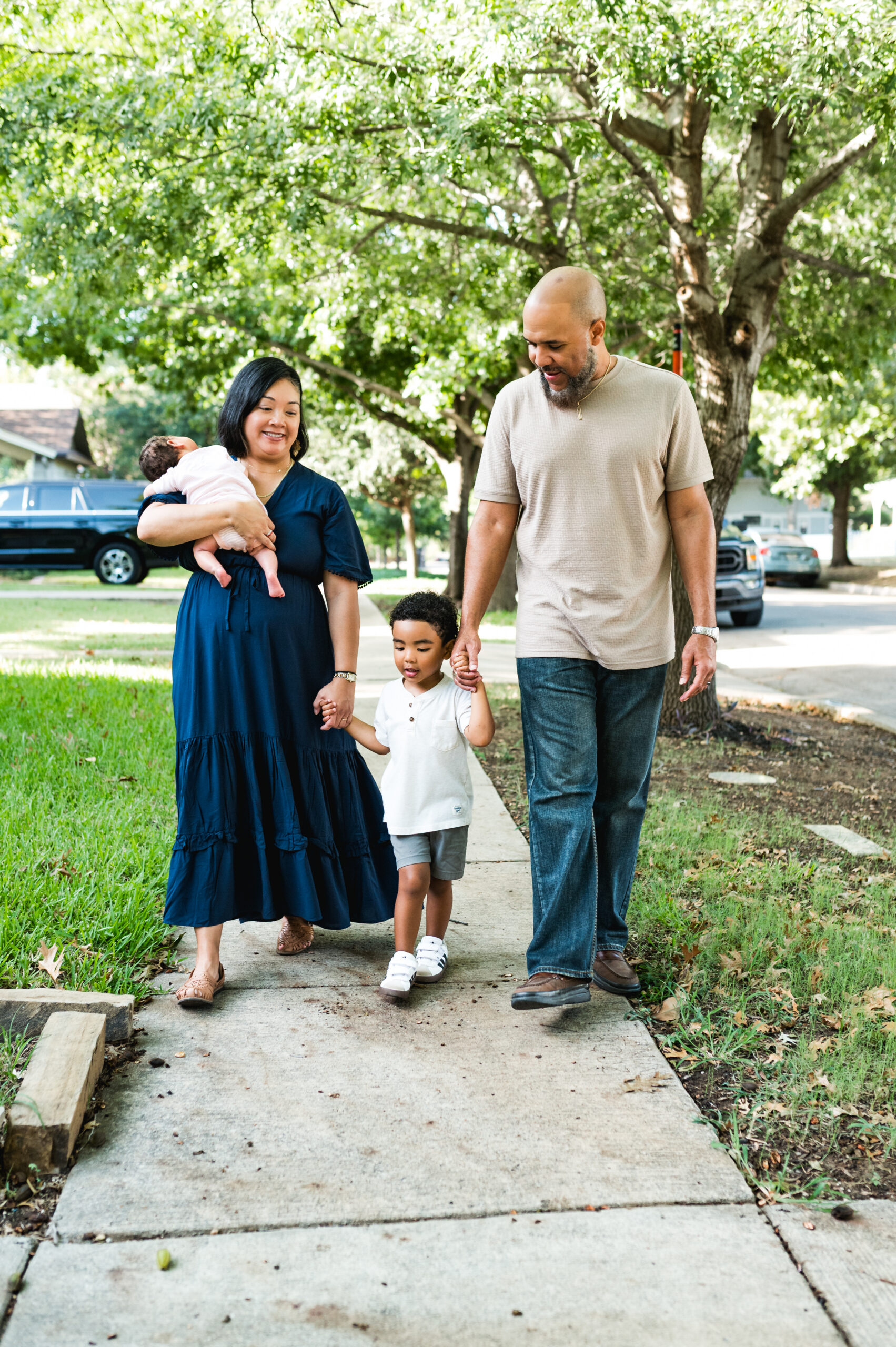

Preparing your toddler for a new baby is one of those things every expecting parent worries about — and nobody really tells you what it actually looks like until you’re in the thick of it.
I get asked about this constantly, both as a mom of three and as a Fort Worth newborn photographer who spends a lot of time in living rooms watching this exact transition unfold in real time. So here’s what I’ve learned — from experience, from the families I photograph, and from the child development experts who study this stuff for a living.
Table of Contents
Why Your Toddler Is Reacting the Way They Are
Before we get to the “what to do” part, it helps to understand what’s actually going on in your toddler’s head. Toddlers under two often don’t have the language or the abstract thinking to understand what “new baby” really means until the baby is physically there and, suddenly, very loud and very demanding of your lap. Kids closer to three or four understand more of what’s coming, but that understanding doesn’t always translate into excitement — sometimes it shows up as clinginess, testing behavior, or a sudden return to things they’d already outgrown, like wanting a bottle or refusing the potty.
This kind of regression is a normal way for kids to seek reassurance and attention, and it typically fades on its own with time and patience. Knowing that in advance makes it a lot easier to ride it out in the moment rather than panic that you’ve broken your toddler.
Prepare Your Toddler for a New Baby: A Simple Prep Timeline
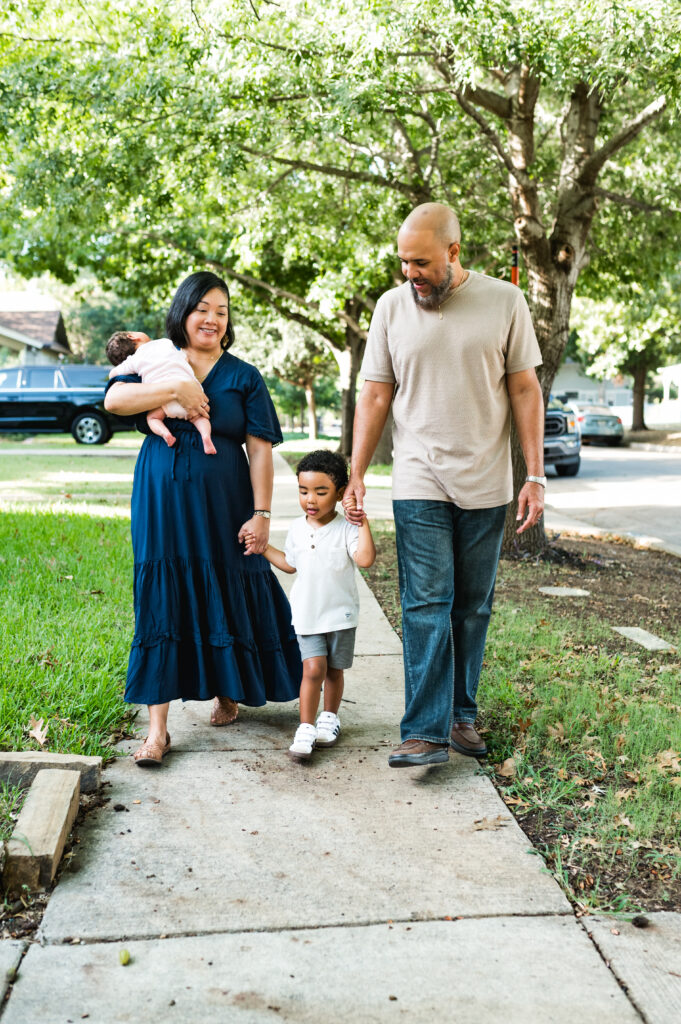
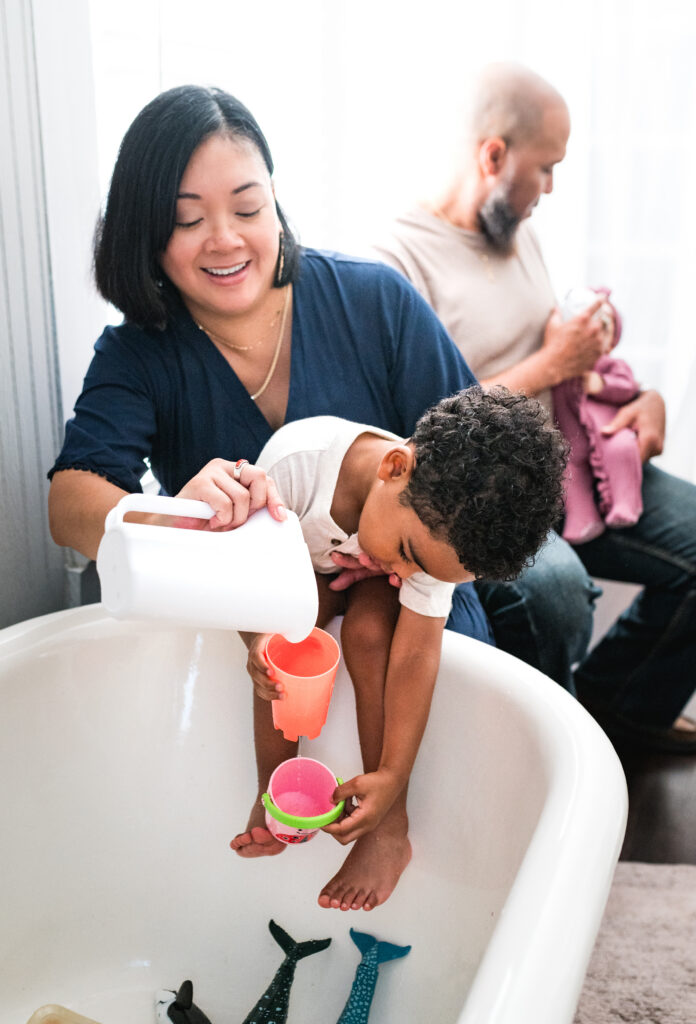
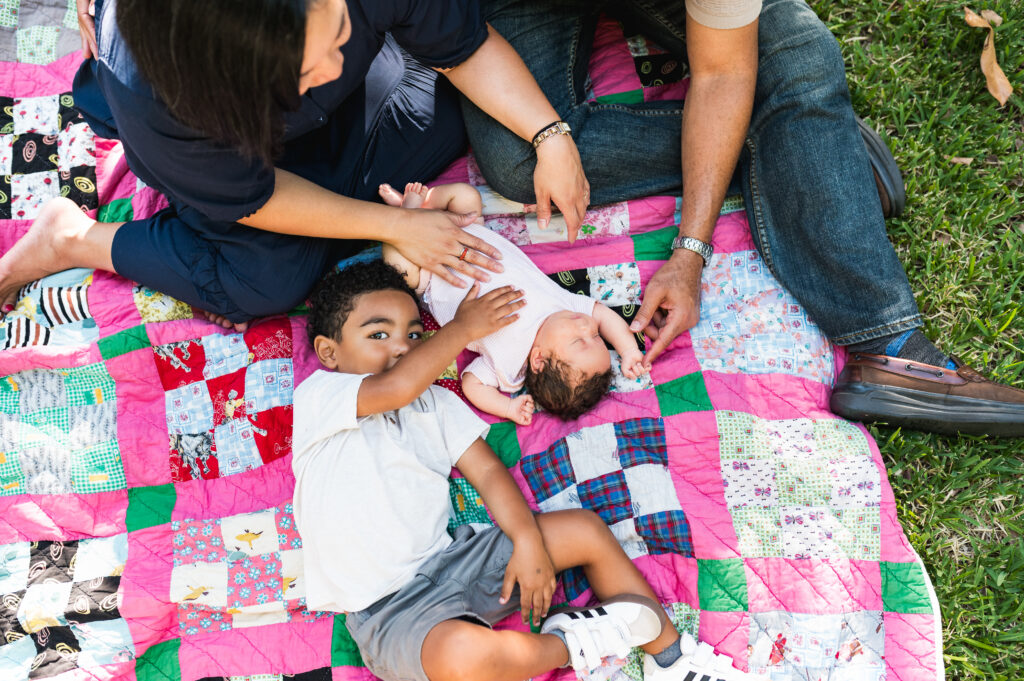
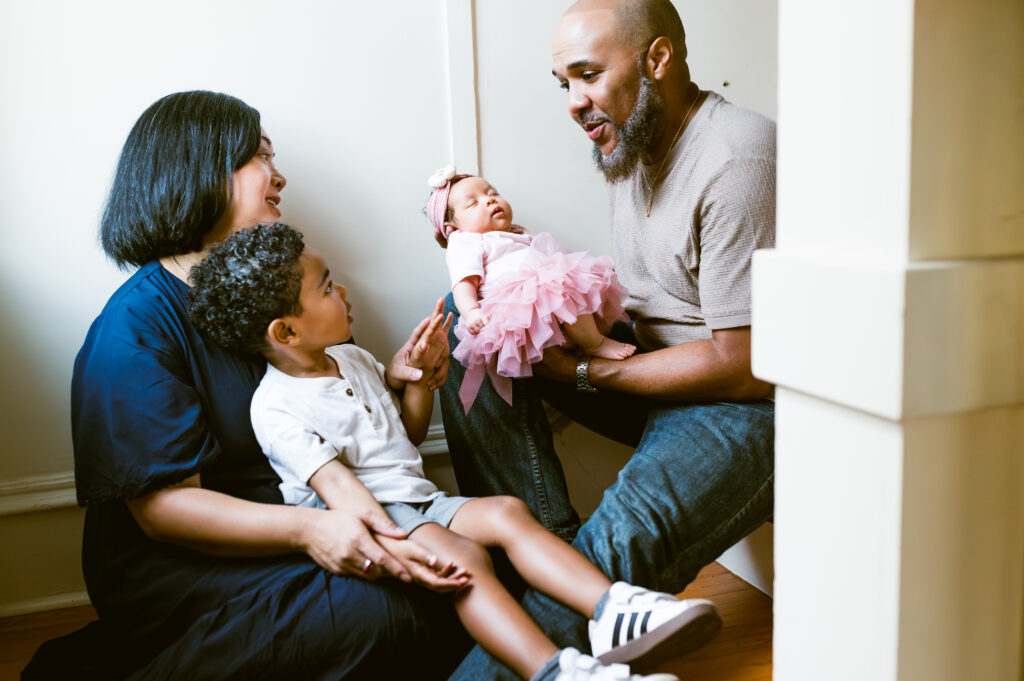
Preparing Your Toddler for a New Baby
You don’t need a color-coded chart for this (although if that’s your love language, go for it). A loose timeline that’s worked well for the families I know:
Second trimester — start the conversation. Bring up the baby casually and often. Read board books about becoming a big brother or sister. Let your toddler feel your belly and talk to the baby if they’re interested. There’s no rush to over-explain — a little exposure over many months does more than one big sit-down talk.
Third trimester — get specific. Talk through what will actually change: who will be with them while you’re at the hospital, where the baby will sleep, what a newborn can and can’t do (“babies mostly eat and sleep and cry — they can’t play yet”). The American Academy of Pediatrics notes that showing your toddler their own baby pictures can help them feel a personal connection to what’s coming, since it reminds them they were a tiny, helpless baby once too.
Two to three months out — hold off on other big changes. If you can avoid it, don’t combine the new-baby transition with weaning a pacifier, moving to a big-kid bed, or starting potty training in the same window. One major change at a time is plenty.
The Hospital Stay: Keeping Their World Steady
The hospital stay itself is often harder on toddlers than the baby’s actual homecoming, mostly because it means Mom and Dad are suddenly gone and their routine is upside down. A few things that help:
- Keep their caregiver, their bed, and their daily rhythm as familiar as possible.
- FaceTime or video call if your toddler is old enough to enjoy it (some toddlers find this comforting, others find it more upsetting — you know your kid).
- Have a small “big sibling” gift ready for when they meet the baby, so the moment feels like something is being given to them, not taken away.
If you’re planning a hospital photo session for those first hours, this is exactly what I document in Fresh 48 sessions — and toddler sibling introductions are some of the most requested (and most treasured) shots families ask for.
Bringing Baby Home: The First Introduction
However you plan the actual moment your toddler meets the baby, a few small things tend to make it go more smoothly. Cleveland Clinic childbirth educator Karen Spreng suggests having someone else hold the baby first when your toddler comes in, so your arms are free to greet your toddler the way they’re used to — a hug, a lift, their normal welcome. It sounds small, but for a toddler who’s mostly been thinking about you, being greeted first (before the baby) can matter a lot.
Other things that help in the first introduction:
- Let your toddler come to the baby at their own pace — don’t force a kiss or a hold if they’re hesitant.
- Have a gift “from the baby” to soften the first meeting.
- Take the pressure off getting a perfect photo in that exact moment. The real bonding often happens in the quiet, unposed weeks that follow — which is honestly my favorite thing to capture during in-home newborn sessions.
The First Few Weeks: Jealousy, Regression, and One-on-One Time
This is the stretch that catches most parents off guard. Your toddler may act out more, ask for things they’d already outgrown, or seem to resent the baby out of nowhere. This is developmentally normal, not a sign you’re doing anything wrong.
The single most protective thing you can do is carve out short, predictable one-on-one time with your toddler — even ten or fifteen minutes a day of their choosing what you do together. Kids also benefit from alone time with each parent, even something as simple as reading a book together or a few extra minutes of playtime</cite>. It doesn’t need to be elaborate. It needs to be consistent.
A few other things that tend to help during this window:
- Involve your toddler in small, safe baby-care tasks (handing you a diaper, picking out baby’s outfit) so they feel like a helper, not a bystander.
- Narrate what you’re doing during feedings or diaper changes so your toddler feels included even when your hands are full.
- Name their feelings out loud (“it’s frustrating when I have to feed the baby right now”) instead of brushing them off — it helps them feel seen even when you can’t drop everything.
If regression or jealousy feels more intense than typical — aggression, persistent anxiety, or real difficulty settling after a few months — it’s worth mentioning to your pediatrician, who can point you toward extra support if it’s needed.
Capturing the Whole Transition
This season goes by embarrassingly fast — one month you’re announcing the pregnancy, the next your “baby” is suddenly the big sibling standing next to a newborn. If you’re planning your family’s growth this year, it’s worth thinking about how you want to document each stage:
- A maternity session with your toddler included, so you have a record of your family of three (or four) right before everything changes.
- A Fresh 48 or in-home newborn session in that first week, when the sibling introduction is still brand new.
- A family session a few months later, once everyone’s found a new rhythm together.
If you’re not sure which sessions make sense for your timeline, that’s exactly what I walk families through — you can see more on my services page or reach out here and we’ll figure out a plan together.
Quick FAQ
When should I tell my toddler a new baby is coming? There’s no universal rule, but many families find the start of the third trimester is a good window — early enough to normalize the idea, late enough that the wait doesn’t feel endless to a toddler with no real sense of time.
Is it normal for my toddler to seem to ignore or reject the new baby? Yes. A cool or indifferent reaction is just as normal as an overly affectionate one. Toddlers process big changes on their own timeline, and it doesn’t predict how they’ll feel about their sibling long-term.
How long does the adjustment period usually last? Most families see the biggest bumps in the first six to eight weeks, easing as new routines take hold. If difficult behaviors are severe or last well beyond that, it’s worth a conversation with your pediatrician.
Should I buy my toddler a gift when the baby is born? It’s a nice touch but not required — what matters more is protected one-on-one time and being greeted warmly when they first see you after the birth.
Want more honest, practical guides like this one sent straight to your inbox — plus first access to fall mini session dates and newborn booking windows? [Subscribe to the newsletter] and I’ll also send you my free New Sibling Prep Checklist to keep on the fridge.

Allison Krogness is a lifestyle newborn photographer based in Fort Worth, TX. She serves Aledo, Mansfield, Arlington, Dallas, Southlake, and the surrounding areas in DFW. She is known for her relaxed, candid sessions that are focused on family connections and beautiful natural light.